The National Community Hubs Program is a place-based initiative that supports families from culturally diverse backgrounds, particularly women with pre-school aged children.
Based in primary schools, hubs create welcoming spaces where families can connect, learn and access support from the early years.
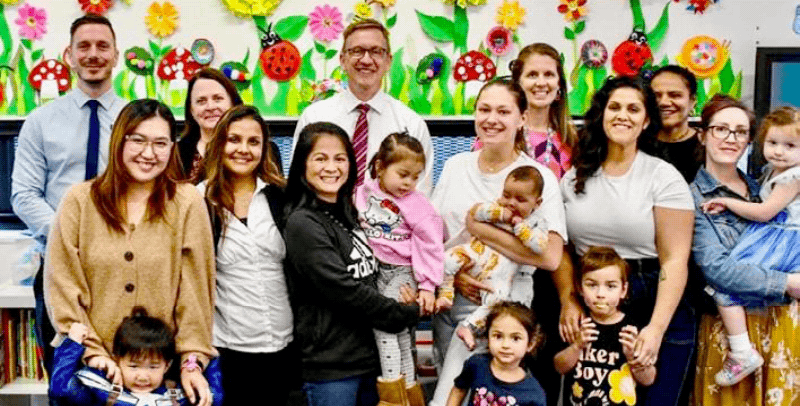
“A community hub is a space in our school where families can come, where they can be part of the community. The hub helps them settle into Australia when they first arrive.”
- Lee Braney, Principal, Aitkenvale State School,
Townsville, Queensland.
National Community Hubs Program
Hubs are grounded in a proven, people-centred model and are tailored to the needs of local families. Each hub reflects its community, providing a safe and inclusive environment where participants can build confidence, develop skills and experience a strong sense of belonging.
Participation in the program is opt-in. School principals choose to host a hub, recognising the value of creating a welcoming space for families within their school community.
Each hub is led by a hub leader, employed by the school, who is responsible for the day-to-day running of the hub. Hub leaders design activities, foster relationships and build partnerships that respond to the needs and interests of families attending the hub.
Hubs are supported by local support agencies, who work alongside schools to connect hubs with services and organisations in their local area. These agencies provide guidance and help broker partnerships that strengthen each hub’s capacity to support families.
Strong collaboration between school leaders, hub leaders and support agencies underpins the success of the program. As families build confidence and connection, many also begin to contribute – to the hub, the school and the broader community. Together, we’re building stronger communities, one relationship, one conversation and one act of inclusion at a time.
"When you join the hub – you’re not just learning or attending an activity – you’re becoming part of something bigger."
– Hub participant
Community hubs work across four key areas:
Who community hubs support
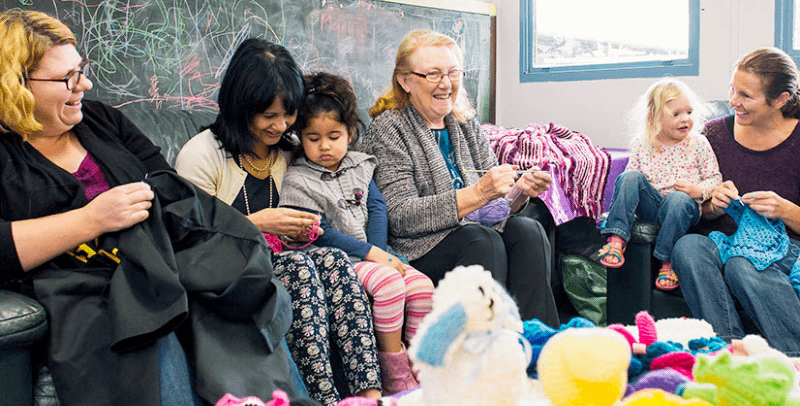
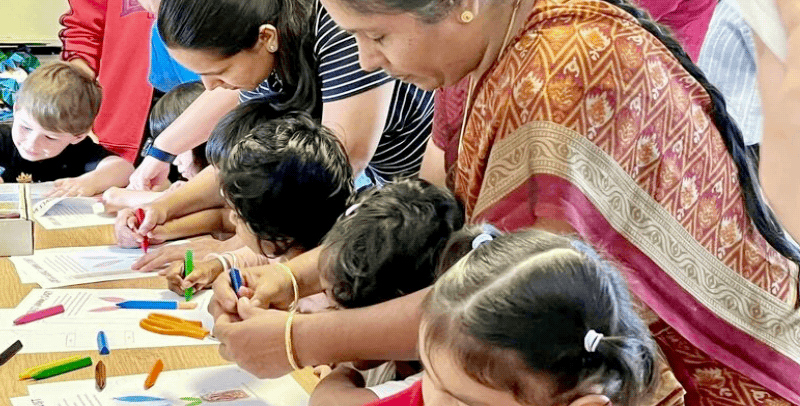
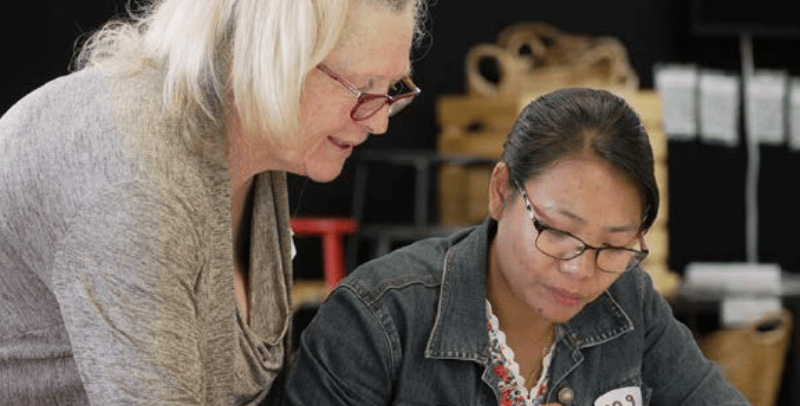
Community hubs are welcoming places based in primary schools, where families from diverse backgrounds connect, learn and build pathways to participation. Through a place-based and people-centred approach, hubs help strengthen social cohesion and economic opportunity in local communities.
The outcomes of the hubs program are:
Children
Hubs increase school readiness through playgroups and early years programs, and by engaging parents in the school.
Families
Hubs are a point of connection and soft entry point to learning English or upskilling through informal and formal training activities. Learning English builds confidence, enabling participants to take a more active role in the community (including in parenting and by volunteering) and pursue further studies or employment.
Schools
Hubs play an important role in building school capacity to respond to the needs of culturally diverse families.
Communities
Hubs help connect parents and children to the services they need, including women-centred and community- centred health and wellbeing services, vocational training providers, paediatric outreach clinics and playgroup facilitators.
The evolution of the hubs model
2014
30 Hubs
2015
42 Hubs
2016
40 Hubs
2017
63 Hubs
2018
74 Hubs
2019
74 Hubs
2020
76 Hubs
2021
94 Hubs
2022
96 Hubs
2023
100 Hubs
2024
100 Hubs
2025
100 Hubs
2014
30 Hubs
2015
42 Hubs
2016
40 Hubs
2017
63 Hubs
2018
74 Hubs
2019
74 Hubs
2020
76 Hubs
2021
94 Hubs
2022
96 Hubs
2023
100 Hubs
2024
100 Hubs
2025
100 Hubs
Find your local community hub
Search by address, suburb or postcode, or browse by local government area
Hubs directory
The hubs directory helps you find a community hub based in a local primary school. Each hub offers activities shaped by the needs of families in that community, including engagement, early childhood and English activities as well as vocational pathways.
To learn more about what’s available near you, select a hub below and give them a call or pop in.