About Community Hubs Australia

We are a not-for-profit organisation that supports the delivery of community hubs in primary schools across Australia.

Working in partnership with schools and local communities, we help create welcoming, supportive spaces where families from diverse backgrounds can connect, learn and thrive.

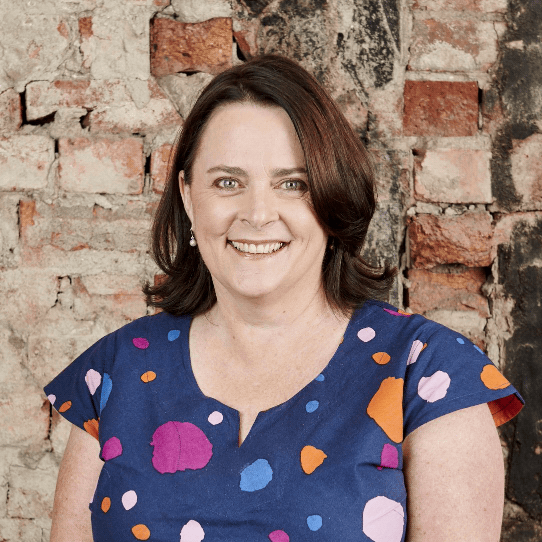
"At the heart of every community hub is a sense of belonging. Together, we are building stronger, more connected communities — one hub at a time.”

Bec Kotow, CEO

Our team

Bec Kotow
Chief Executive Officer

Bec was appointed to the CEO role in 2024, having joined the Community Hubs Australia team in 2020 as the Head of Operations. Bec has gained this knowledge through organisations including NAB, Telstra, Australia Post, and MYOB. Bec holds a Bachelor of Business in Marketing and Human Resource Management from the University of Southern Queensland and is a Board Director, St Bede’s College.

Julianne Gardiner
Head of Program

Jules (as she prefers to be called) joined the CHA team in 2023 as Program Manager, to support the network of community hubs across Australia.

Jules has worked in the not-for-profit sector for more than 18 years, and has a background in teaching English as a second language. Jules holds a Bachelor of Arts in Psychology and Linguistics from Macquarie University.

Maurice Syber
Operations Manager

His responsibilities include managing contracts with agencies and schools and their related reporting requirements, ensuring high data quality and the performance of our IT-related platforms, and managing CHA’s compliance requirements. Maurice’s background is in consulting, project management, data analytics and business intelligence tools. Maurice holds a Bachelor of General Mathematics and a Bachelor of Mechanical Engineering from Monash University.
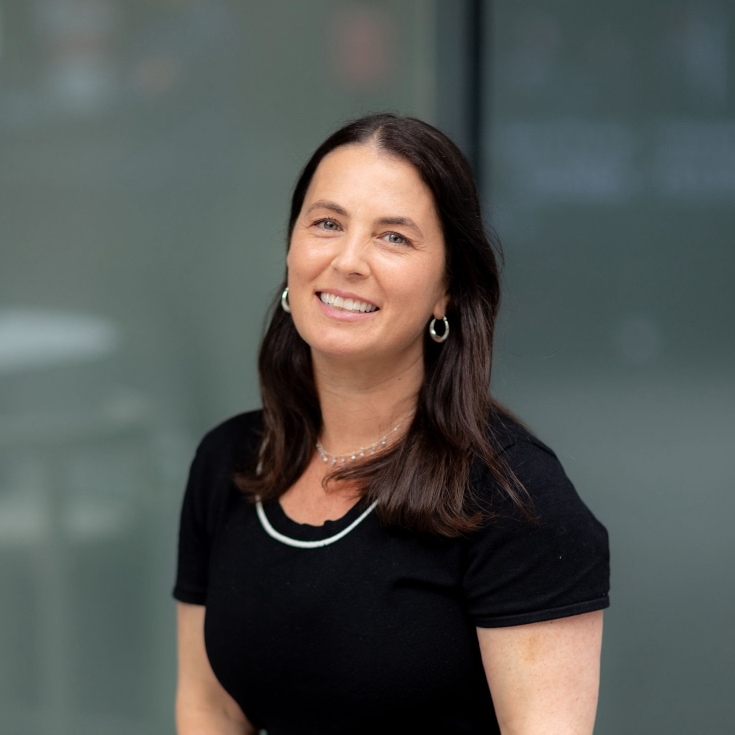
Linda Perugin
Program Manager

Linda joined the Community Hubs Australia team as Program Manager in 2025, supporting the national network of hubs and working closely with our support coordinators. She has worked in the for-purpose sector since 2013, where her most recent experience has been managing neighbourhood houses. Prior to this, Linda worked as a high school teacher. She holds a Master of International Development and a Diploma of Education.

Maia Nelson
Program Officer

Maia joined the CHA team in 2022 and is responsible for supporting the delivery of our program, working directly with schools, their hubs and support agencies as part of this. Maia has a background working in medical practice management and administration and holds a Bachelor of Public Health and a Bachelor of Global Studies from the Australian Catholic University in Melbourne.
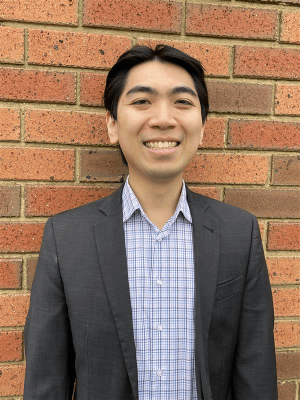
Vincent Ngo
Data and Support Analyst

Vincent joins us this year (2025), helping to ensure high data quality, while also supporting the maintenance and enhancement of our data platforms and reporting. Prior to joining our team, Vincent taught mathematics and physics before moving into data science. He holds a Bachelor of Science and Master of Teaching from the University of Melbourne and a Master of Data Science from Monash University.

Our partners

Our work is made possible through the support of federal, state and philanthropic partners.

Community Hubs Australia works in partnership with schools, governments, community organisations, philanthropic foundations and corporate supporters. Our work is made possible through strong, collaborative relationships built on a shared commitment to supporting families and strengthening communities.

Together with our partners, community hubs create welcoming spaces that foster connection, confidence and belonging for families across Australia.

How the community hubs model works

The community hubs model brings together schools, families and local services, with clear roles and a shared purpose. At the centre is connection – supporting families to feel welcome, confident and engaged in their communities.

Hub schools: Primary schools host community hubs, providing a trusted and familiar place for families to connect.

Support agencies: Local organisations deliver programs and services through the hub, making support more accessible.

Community Hubs Australia: Provides the national framework, supporting quality, consistency and shared learning across the network.

Together, this model creates a trusted bridge between families, schools and services – supporting participation, confidence and long-term outcomes.

A locally led, school-based approach

Community Hubs Australia supports a nationally consistent, locally delivered model that brings families, schools, services and communities together to strengthen connection, learning and opportunity.

Community hubs are based in primary schools because schools are trusted, familiar places that families already visit. Many participants first come to a hub through their children – for playgroup, early learning or transition-to-school activities – and, through trusted relationships, go on to build confidence, learn English, access services and create pathways into volunteering, training or work.

The hubs model recognises that when families feel welcome, supported and connected, children are better prepared to learn and communities are stronger.
Schools

Primary schools host community hubs on their sites and play a central role in creating a welcoming, inclusive environment. Being embedded in schools helps families build familiarity with the school setting, supports smoother transitions into kindergarten and school, and strengthens relationships between families and educators.

Support agencies and local partners

Community hubs work closely with local service providers, councils, community organisations and training providers. These partners deliver programs and services through the hub, including English classes, early childhood activities, health and family support, volunteering opportunities and skills training. By coming into the hub, services become more accessible and less intimidating for families.

Hub Leaders

Each hub is led by a dedicated hub leader, employed by the school. Hub leaders are deeply connected to their local communities and are responsible for building relationships, welcoming participants, coordinating activities and linking families to services and opportunities. They are the trusted point of connection that makes the model work in practice.

Community Hubs Australia

Community Hubs Australia provides the national framework that underpins the model. This includes program design, quality assurance, capability building, shared learning across the network, and support for schools and hub leaders. Community Hubs Australia also works with governments, funders and partners to grow the network and strengthen the evidence base for impact.

All hubs operate within a shared framework focused on four key areas: engagement, early childhood, English and vocational pathways. Explore the four key focus areas
A consistent framework, shaped locally

While every hub reflects the needs, cultures and priorities of its local community, all hubs operate within a shared framework focused on four interconnected areas:

  • Engagement – creating welcoming spaces where families connect and feel a sense of belonging
  • Early childhood – supporting young children’s development and readiness for school
  • English – building confidence in everyday English for parents and carers
  • Vocational pathways – supporting pathways to volunteering, training and employment
This balance of consistency and flexibility allows hubs to adapt over time, respond to emerging needs and remain relevant to their communities.

A proven model at scale

Community hubs operate in around 100 primary schools across four states, supporting families in both urban and regional communities across Australia. The model has been refined over more than a decade, shaped by community feedback, school leadership and national evidence. Hubs build connection, reduce isolation, support early learning and strengthen participation – contributing to stronger, more cohesive communities.

Our Founding

Founded in 2011, Community Hubs Australia has grown into a trusted national organisation supporting a network of 100 community hubs based in primary schools across Australia.

From the beginning, the program has been grounded in a simple idea: that strong relationships – between families, schools and communities – create better outcomes for children and families. The impact of community hubs is felt not only in measurable outcomes, but in the confidence built when parents try something new, the friendships formed through shared experiences, and the smoother transition to school for children who feel welcomed and supported.

Hubs operate through close collaboration between hub and school leaders, local agencies who support them on the ground, and local partners that provide activities in the hub and services and support. Community Hubs Australia is committed to quality, diversity and inclusion, with operations aligned to the Australian Service Excellence Standards.

The hubs program is regularly reviewed and refined using community feedback and impact data, ensuring the model continues to respond to local needs over time.

Who delivers community hubs

community hubs group image

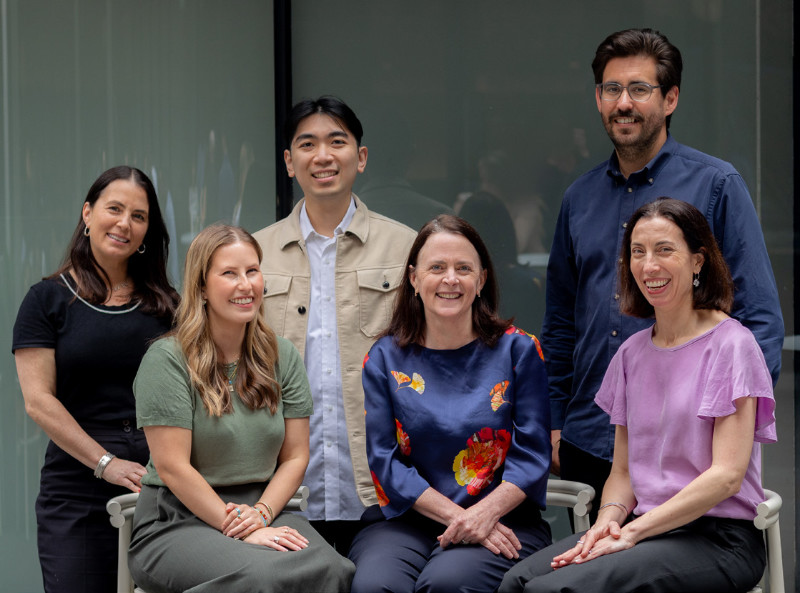
Community hubs are delivered by a diverse network of people working together across Australia – including hub and school leaders, support agencies, local partners and the Community Hubs Australia team.

Led by CEO Rebecca Kotow since 2024, Community Hubs Australia brings experience across education, government, community development and the corporate sector, supporting those on the ground who make hubs work every day.

This collective approach – grounded in trust, shared learning and collaboration – enables hubs to respond to local needs and create lasting impact for families and schools.

Funding and governance

From the outset, the National Community Hubs Program has been underpinned by a collaborative funding model, jointly supported by federal and state governments, philanthropy and participating schools. This shared approach reflects a long-standing commitment across governments and communities to strengthening connection, participation and belonging for families from culturally diverse backgrounds.

The Scanlon Foundation is a core philanthropic funder of the program, providing ongoing funding to Community Hubs Australia (CHA), which leads and supports the delivery of hubs nationally. Federal Government funding has been provided through both the Department of Social Services and, more recently, the Department of Home Affairs, reflecting sustained Commonwealth support across different policy portfolios. State and local governments also contribute funding and in-kind support, alongside schools, which invest in the ongoing operation of hubs from their third year onwards.

Community Hubs Australia works closely with funders, schools and support agency partners to ensure hubs are inclusive, well-governed and able to operate sustaiernably over time.

Strong governance, shared accountability, and the use of hub insights and data support consistent quality across the network, while allowing hubs the flexibility to respond to local needs.

Our funders

Find your local community hub

Search by address, suburb or postcode, or browse by local council area