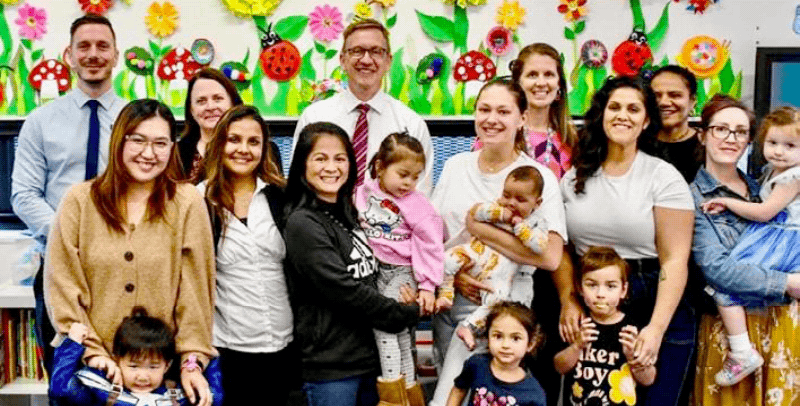
Every hub is place-based and people-centred. Decisions about programs and activities are made locally, allowing hubs to respond to changing community needs and build trust over time. Hub leaders are employed by schools, strengthening the connection between families, the school environment and local services.
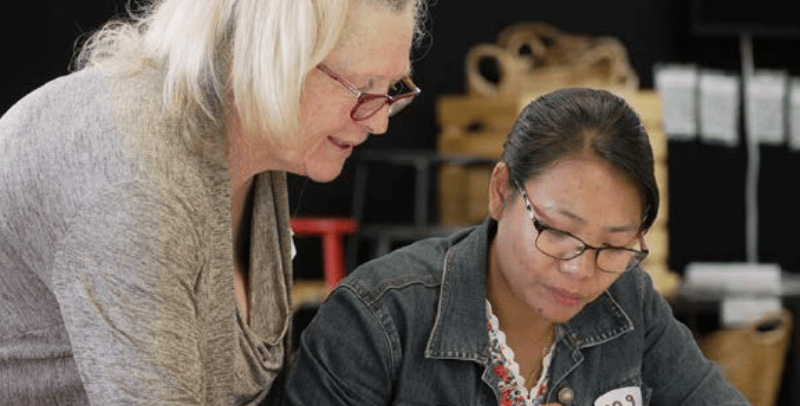
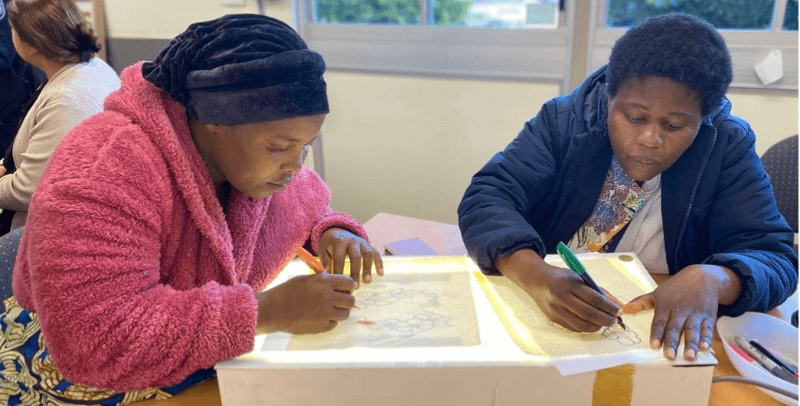
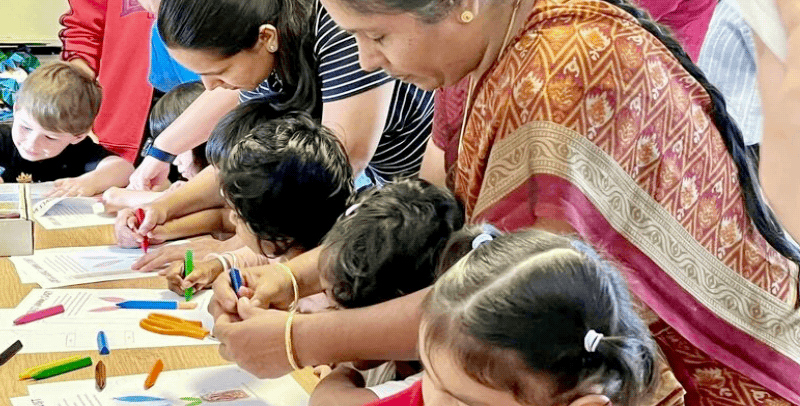
Across the network, hubs offer a wide range of activities, including playgroups, English classes, volunteering opportunities and pathways to training and employment. These activities help build confidence, reduce isolation and support families to take their next steps – whether that’s preparing a child for kindergarten or school, learning English, or finding work.
Evidence from across the national hubs network consistently shows that this approach delivers outcomes that matter. Hubs increase connection and belonging, improve children’s readiness for school, support women’s participation, and strengthen community cohesion.